🛁 Hot Tub Blisters: Causes, Prevention, and Repair Solutions 🌊
Hot tub blisters on your spa’s shell can be frustrating and costly if ignored. Whether you’re dealing with small bubbles under the surface or visible cracks, understanding the causes of hot tub shell blistering, how to prevent hot tub blisters, and repairing blistered hot tub surfaces is essential for maintaining your investment. In this guide, we’ll break down the science behind blister formation and share actionable tips to keep your spa pristine.
🔍 What Are Hot Tub Blisters? Understanding Shell Damage
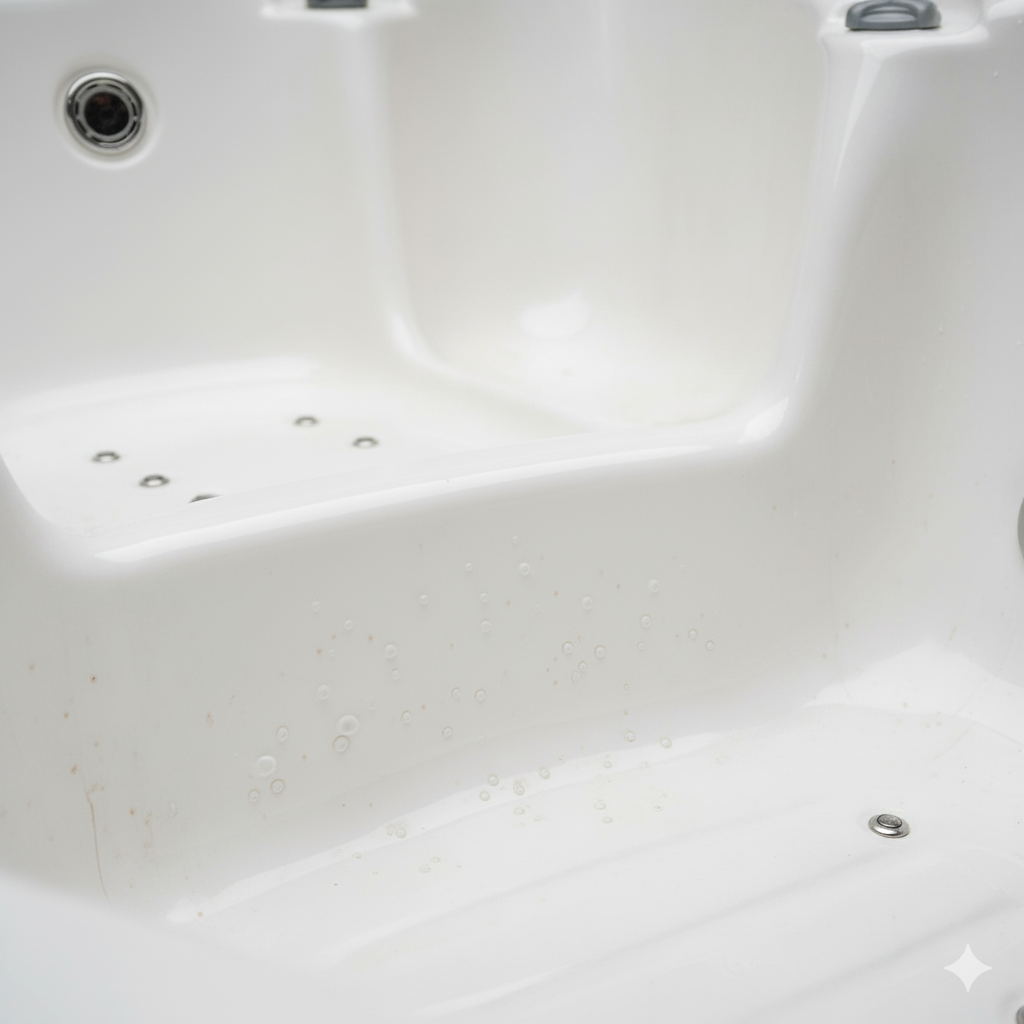
Hot tub blisters are small, raised bubbles or cracks that form on the acrylic or fiberglass shell of your spa. They often start as tiny imperfections but can grow over time due to chemical exposure, UV damage, or poor maintenance. Left untreated, blisters may lead to leaks or structural issues, making early detection and repair critical.
⚠️🔬 Top 5 Causes of Hot Tub Shell Blistering
1. 💦🚫 Chemical Imbalance in Hot Tub Water
Improper pH, alkalinity, or sanitizer levels (like chlorine or bromine) can corrode the shell’s surface. High pH or excessive chlorine weakens the material, leading to hot tub chemical imbalance and blister formation. Test water weekly and adjust levels to stay within manufacturer guidelines.
2. ☀️🔥 UV Damage to Hot Tub Shells
Prolonged sun exposure breaks down the shell’s protective layers, especially in older or lower-quality tubs. UV damage to hot tub shells accelerates blistering—use a spa cover or UV-resistant sealant to minimize harm.
3. 🧼🚫 Poor Hot Tub Maintenance Habits
Neglecting regular cleaning allows dirt, oils, and bacteria to accumulate. These contaminants erode the shell over time, creating signs of hot tub shell deterioration. Scrub surfaces monthly and drain/refill water every 3-4 months.
4. 🧪⚠️ Low-Quality or Harsh Chemicals
Cheap or abrasive cleaning agents can strip the shell’s gel coat. Always use hot tub-safe chemicals designed for acrylic or fiberglass surfaces to avoid hot tub surface damage from chemicals.
5. 🏭🔍 Manufacturing Defects in Hot Tub Shells
Rarely, blisters stem from factory flaws like air pockets in the material. If blisters appear early, contact the manufacturer about warranty claims for hot tub shell defects.
🛡️✅ How to Prevent Hot Tub Blisters: 6 Pro Tips
- Test Water Weekly 🌡️: Keep pH (7.2–7.8), alkalinity (80–120 ppm), and sanitizer levels balanced.
- Use a Spa Cover 🧯: Block UV rays and debris when the tub isn’t in use.
- Avoid Over-Sanitizing 🚫: Excess chlorine or bromine accelerates erosion.
- Clean Gently 🧽: Use non-abrasive cleaners and soft cloths.
- Inspect Regularly 🔍: Check for early signs of blistering or discoloration.
- Invest in Quality Chemicals 🧪: Opt for brands recommended by your hot tub’s manufacturer.
🔧🩹 Repairing Blistered Hot Tub Surfaces: DIY vs. Professional Help
- Minor Blisters 🛠️: Sand the area lightly, apply acrylic repair kits, and seal with marine-grade epoxy.
- Severe Damage 🚨: Deep cracks or widespread blistering may require professional resurfacing or shell replacement.
- Warranty Coverage 📄: Check if manufacturing defects are covered before paying out of pocket.
🌞🚨 When to Call a Hot Tub Repair Specialist
If DIY fixes fail or blisters return quickly, consult a professional. Experts can diagnose hidden issues like water chemistry problems causing blistering or structural weaknesses.
📝 Final Thoughts: Protect Your Spa Investment
Hot tub blisters don’t have to spell disaster. By prioritizing proper hot tub water chemistry, UV protection for spas, and regular maintenance routines, you can extend your shell’s lifespan and enjoy a flawless soak for years. Spot a blister? Act fast—early intervention saves time and money!
✨ Pro Tip: Bookmark this guide and share it with fellow hot tub owners to spread the knowledge! 💡